
chair vs standard height toilet
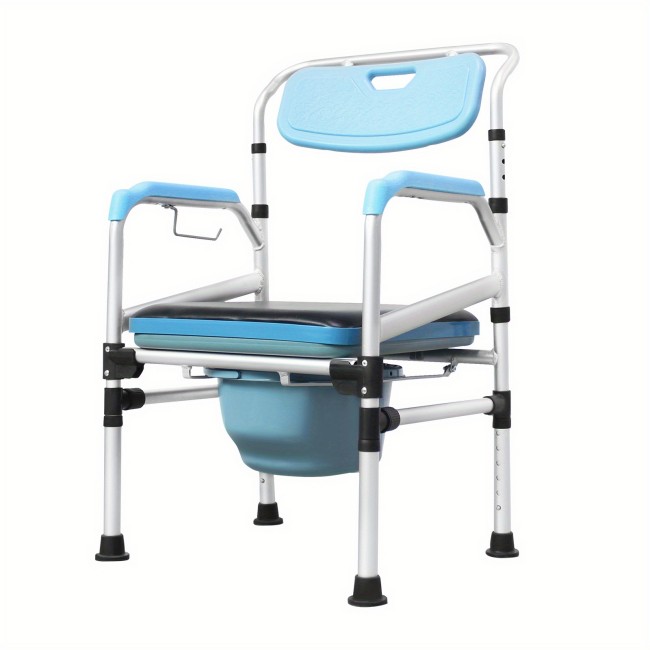
Standard Toilet vs Chair Height Toilet Article
Standard Toilet vs Chair Height Toilet
Guide for Distributors, Dealers and Buyers of Plumbing Fixtures
Introduction
In the vast and intricate world of bathroom fixtures, toilets come in various heights and designs, each serving a unique purpose. Standard height toilets and chair height toilets, in particular, are two of the most common options available to consumers and professionals in the plumbing and construction industries. While these fixtures may seem similar at first glance, their design and utility can have substantial implications for comfort, accessibility, and overall user experience. For distributors, dealers, and buyers involved in the procurement and sale of plumbing fixtures, understanding the nuances between these two types of toilets is essential. This article aims to provide a comprehensive guide to the standard toilet and chair height toilet, including their characteristics, differences, benefits, and considerations when choosing between the two. We hope that by reading this article, our audience will make more informed decisions regarding their products and recommendations.
Comprendre la hauteur des toilettes
Definition of Standard Height Toilets
Standard height toilets, also known as regular or traditional toilets, are designed with a bowl height that typically ranges from 14 to 15 inches from the floor to the top of the seat. They are called standard because this height has been the conventional choice for toilets for many years and is familiar to most users.
Definition of Chair Height Toilets
Chair height toilets, also referred to as comfort height toilets, have a taller bowl height, usually between 16 to 18 inches. The term “chair height” is derived from the similarity in height to a standard chair seat, which is generally comfortable for sitting and rising.
Key Differences Between Standard and Chair Height Toilets
Height and Accessibility
Standard toilets may be difficult for people with limited mobility to use due to the lower sitting surface, which can require more effort to sit down and stand up. Chair height toilets, on the other hand, are more accessible for a wider range of individuals, including those with mobility impairments.
Confort et ergonomie
The higher seat of chair height toilets allows for a more ergonomic position when seated, potentially reducing strain on the knees and lower back. Standard toilets may not provide the same level of comfort, particularly for taller individuals or those with joint issues.
Aesthetic Variations
Over the years, toilet design has evolved, and both standard and chair height toilets can be found in a variety of styles and finishes. However, chair height toilets often have a more contemporary look, which may be more in line with modern bathroom designs.
Benefits of Standard Height Toilets
Rentabilité
Standard height toilets are generally more affordable than chair height toilets, making them an economical choice for consumers and projects with limited budgets.
Efficacité spatiale
In smaller bathrooms, standard height toilets may be more appropriate due to their compact design, which can contribute to a more spacious environment.
Proven Reliability
As the industry standard for decades, standard height toilets have a proven track record of reliability and widespread acceptance, ensuring easy access to replacement parts and service.
Avantages des toilettes à hauteur de chaise
Accessibilité renforcée
Chair height toilets offer greater accessibility and can be a valuable addition to any restroom, making them a considerate and inclusive option for diverse user groups.
Confort et commodité
Comfort height toilets provide a more comfortable experience for users, as the higher seat position is easier on the knees and back when sitting and standing.
Increased Property Value
Installing chair height toilets can be an attractive feature for home builders and remodelers looking to add value and appeal to properties, especially in markets where accessibility is a growing concern.
Considerations When Choosing Between Standard and Chair Height Toilets
User Population
The decision between standard and chair height toilets should take into account the needs of the primary users of the restroom. Facilities frequented by older adults or individuals with mobility challenges may benefit from chair height toilets.
Room Dimensions
The size and layout of the bathroom should also influence the decision, as standard height toilets can be more suitable for compact spaces.
Building Codes and Regulations
Local building codes may have specific requirements for bathroom fixtures, and it’s crucial to be aware of these when making selections.
Conclusion
The differences between standard and chair height toilets may not be immediately apparent, but they play a significant role in user comfort, accessibility, and the overall functionality of a bathroom. Understanding these distinctions is crucial for distributors, dealers, and buyers to ensure that they can provide the best advice and products for their customers. We hope that our audience finds this guide on standard toilet vs chair height toilet informative and that it aids in their decision-making process when dealing with plumbing fixtures.
FAQ
What is the standard height of a toilet? Standard height toilets typically have a bowl height of 14 to 15 inches from the floor to the top of the seat. What is a chair height toilet? Chair height toilets, also known as comfort height toilets, have a bowl height of 16 to 18 inches. Who should consider a chair height toilet? Chair height toilets are ideal for people with mobility issues, seniors, and those recovering from surgery. Are chair height toilets more expensive than standard toilets? Chair height toilets are generally more expensive than standard height toilets. Can standard height toilets be used in smaller bathrooms? Yes, standard height toilets are often recommended for smaller bathrooms due to their lower profile. Do local building codes affect toilet height selection? Yes, local building codes can dictate the types of fixtures that are permissible in residential and commercial settings.
 French
  English
  Russian
  Spanish
  Arabic
  Czech
Czech  German
  Indonesian
  Korean
  Portuguese
  Romanian
  Slovenian
  Afrikaans
  Amharic
  Aragonese
  Assamese
  Azerbaijani
  Tibetan
  Hindi
Hindi  Greek
Greek  Japanese
  Lithuanian
  Latvian
  Thai
Thai  Mongolian
  Vietnamese